
Waterproofing and thermal insulation are among the most underestimated construction items, even though neglecting them shows negative effects just a few years after handover, in the form of water leaks, damp patches, peeling paint, and rising air conditioning bills. In Egypt's hot summer climate, with seasonal rain in some regions, good insulation is an investment, not an extra cost.
In this guide, we explain the difference between waterproofing and thermal insulation, the key locations in any building where insulation must be applied, common insulation material types in the Egyptian market, and the most notable mistakes we observe in the field on projects in Faiyum, October, and Hadayek El Ahram, along with practical tips to avoid redoing insulation after just a few years.
1. The Difference Between Waterproofing and Thermal Insulation
Waterproofing aims to prevent water and moisture from penetrating a building's elements, whether from rain, roof water, or rising groundwater at the foundations. Thermal insulation, on the other hand, aims to reduce heat transfer between the interior and exterior, lowering air conditioning and heating consumption and improving indoor comfort.
In many cases, both functions are combined into a single roof insulation system, using composite layers that combine a waterproofing material with a thermal insulating one such as foam or polystyrene, which is the most common solution in modern residential projects.
2. Insulating Foundations and the Basement
One of the most important, and sometimes overlooked, insulation locations is the foundations and retaining walls, especially in areas with relatively high groundwater levels. Properly insulating the foundations protects the building from rising damp, which may later appear as stains on ground floor walls even years after finishing.
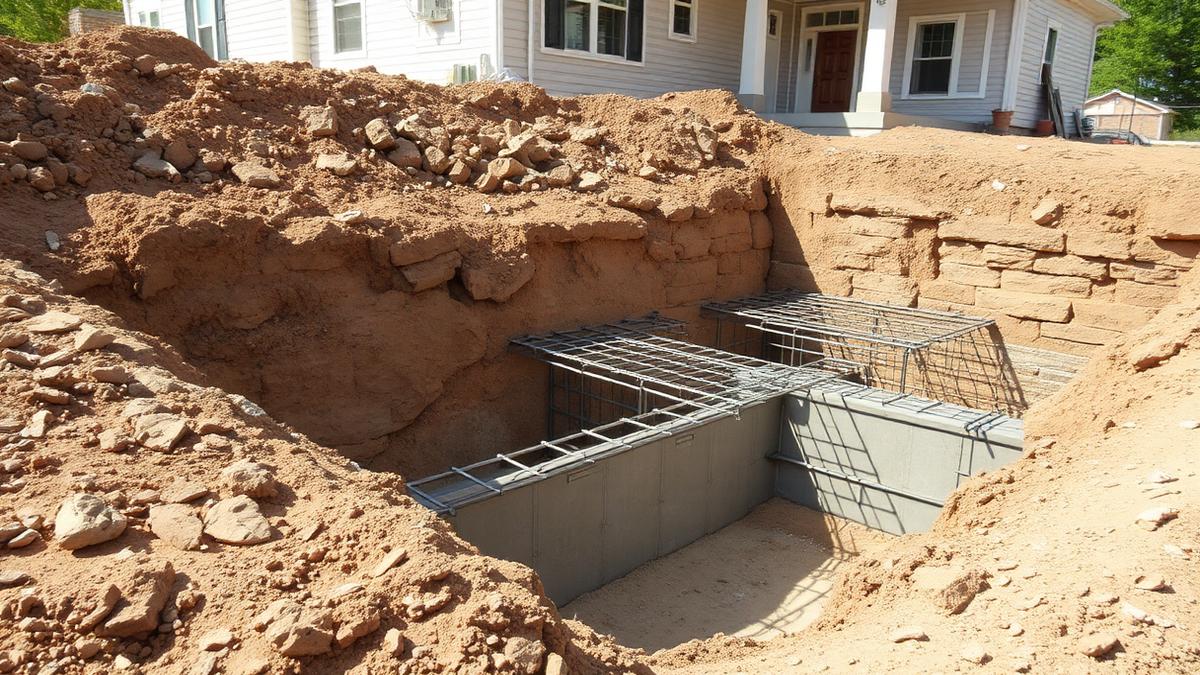
We always recommend linking this stage to the foundation phases explained in our article on construction phases from excavation to handover, since insulation must be applied right before backfilling, not after.
3. Insulating Roofs Exposed to Sun and Rain
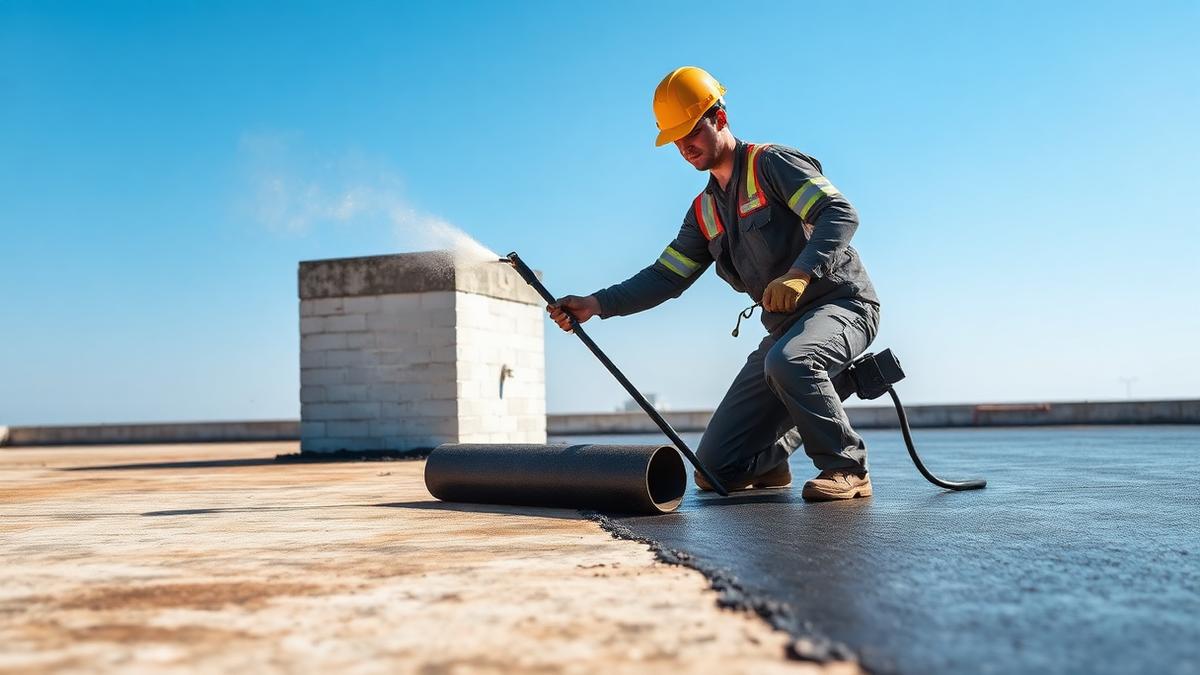
Roofs are the element most exposed to weather fluctuations, from intense summer heat to intermittent winter rain. Good roof insulation includes a waterproofing layer (asphalt rolls or a liquid membrane) with proper slopes for drainage, plus a thermal insulation layer above or below it depending on the system used.
In our projects in the Faiyum area, where roofs are exposed to strong sunlight most of the year, thermal insulation makes a noticeable difference in the temperature of upper floors and in summer electricity bills.
4. Insulating Bathrooms and Kitchens
Bathrooms and kitchens are among the areas most exposed to internal moisture due to daily water use. Floors and lower walls must be insulated before tiling, with the insulation layer raised to an appropriate height at wall edges to prevent water leaking into neighboring or lower apartments in multi-story buildings.
5. Insulating Water Tanks
Ground and rooftop water tanks need special insulation to protect them from leaks and from water contamination by surrounding construction materials. Neglecting this item can lead to water leaking into the foundations on one hand, or drinking water contamination on the other, both requiring costly interventions later.
Planning a project in Faiyum or October?
The Dar El Halawany team provides a site visit and preliminary cost estimate for waterproofing and thermal insulation works.
6. Common Insulation Materials in the Egyptian Market
Available insulation materials range from various asphalt rolls, liquid materials (modified bitumen or polyurethane), foam and polystyrene boards for thermal insulation, to flexible insulating paints for roofs and bathrooms. Choosing the right type depends on the application location, budget, and the element's exposure to weather or continuous moisture.
| Material Type | Best Use | Notes |
|---|---|---|
| Asphalt roll | Roofs and foundations | Requires precise thermal welding during installation |
| Liquid materials (polyurethane) | Bathrooms and irregular roofs | Easy to apply on complex details |
| Foam / polystyrene | Thermal insulation for roofs and walls | Noticeably reduces energy consumption |
| Flexible insulating paints | Restoring old insulation or small roofs | An economical option but with a relatively shorter lifespan |
Note: Prices and required material quantities vary depending on the area and nature of each site, and are determined precisely after a field survey.
7. Common Insulation Mistakes in Egyptian Buildings
- Applying insulation only after a moisture problem appears instead of doing it preventively during construction.
- Neglecting proper roof slopes, causing water to pool on top of the insulation layer itself.
- Not raising the insulation layer high enough at wall edges and pipes rising from the roof.
- Using non-compliant materials to reduce apparent cost, significantly shortening the insulation's lifespan.
- Not water-testing the insulation for a sufficient period before applying finishing layers on top.
To avoid these mistakes, it is important to work with a specialized technical team supervising the entire process, from material selection to final testing, which is what our maintenance and restoration service provides for existing buildings, in addition to applying preventive insulation within our new construction projects.
8. When Does an Existing Building Need Re-insulation?
If you notice recurring damp patches, peeling ceiling paint, or a noticeable rise in the temperature of upper floors in summer, these are signs of a weak or damaged existing insulation layer. In this case, a technical inspection is recommended to determine whether partial restoration or full re-insulation is needed, a topic we also cover in our renovation vs. rebuild article.
Frequently Asked Questions
How long does a good insulation layer last?
It varies based on the material type, execution quality, and weather exposure, but professionally applied insulation using compliant materials maintains its efficiency for a relatively long period before periodic maintenance is needed.
Can thermal insulation be applied after finishing?
Yes, in some cases, especially for roofs, but applying it during construction or before final finishing is more efficient and less costly in the long run.
Do all buildings need thermal insulation?
It is strongly recommended in the Egyptian climate to improve indoor comfort and reduce energy consumption, especially on upper floors directly exposed to the sun.
How can I verify insulation quality before finishing?
Through a flood water test for a sufficient period before proceeding, and a technical review by an independent engineer if possible, a step we recommend as part of our project management service.
Conclusion
Waterproofing and thermal insulation are not secondary items that can be postponed or under-budgeted; they are a direct investment in a building's lifespan, occupant comfort, and long-term energy savings. Whether you are building a new project in Faiyum or Hadayek El Ahram, or considering restoring old insulation in an existing building in October, working with a specialized team from the start saves you much larger repair costs later.
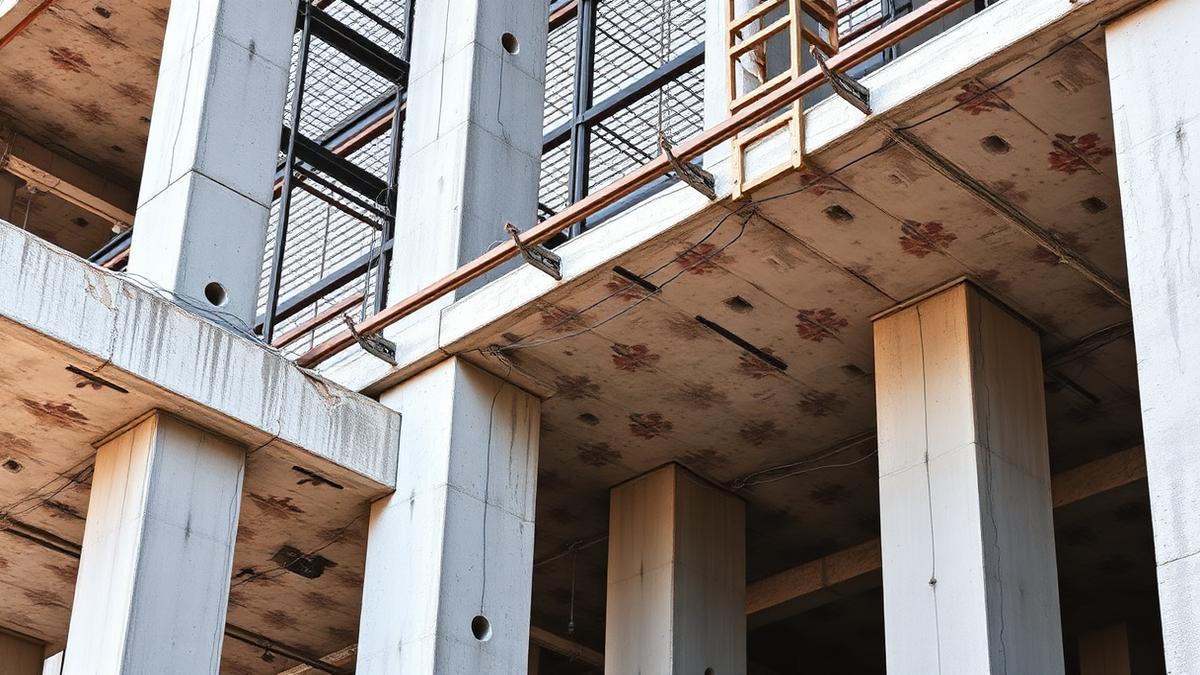
For more details on other construction phases, you can check our article on structural safety basics or explore our full range of services on the services page.
Planning a project in Faiyum or October?
The Dar El Halawany team provides a specialized inspection for waterproofing and thermal insulation with clear materials and warranties.
Planning a build or finishing project?
Dar El Halawany delivers construction and finishing works across Fayoum, New Fayoum, 6th of October and Hadayek El Ahram — contact us for a site visit and initial estimate.