
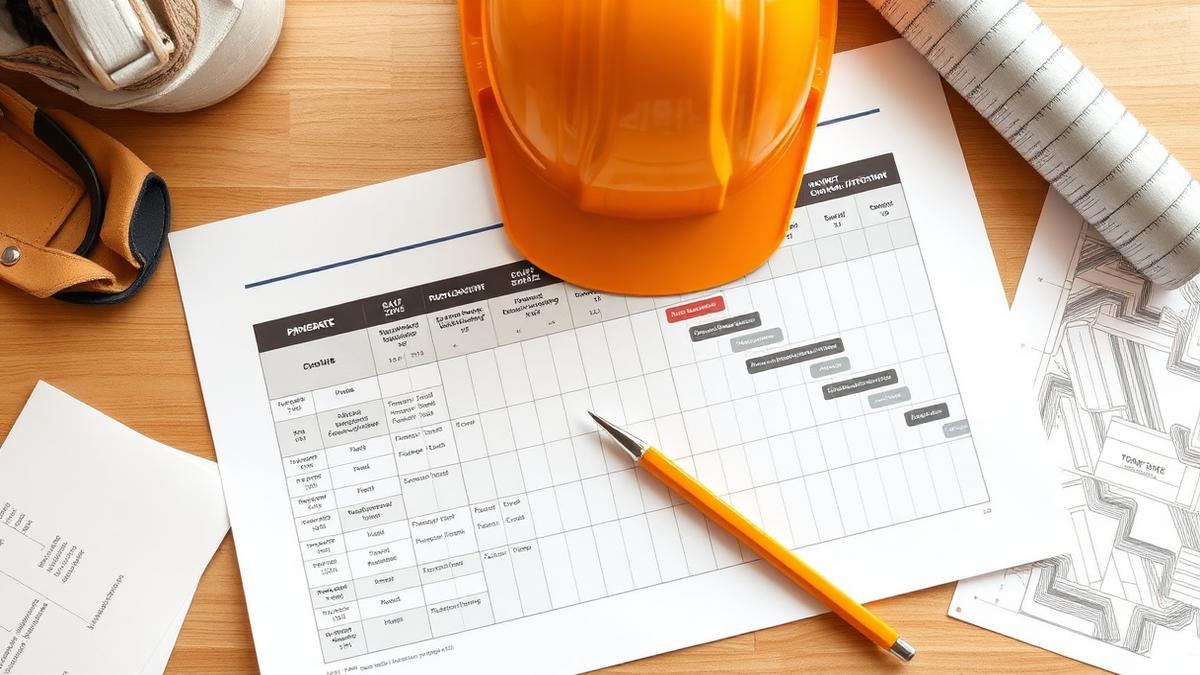
Delays are among the most common challenges facing owners of construction and finishing projects in Egypt, whether it is a residential villa in New Fayoum, an administrative unit in 6th of October, or a commercial project in Hadayek El Ahram. A delay does not only mean postponing the handover date; it usually leads to increased costs, stress on the project owner, and coordination problems between contractors and suppliers.
In this article, we walk through the fundamentals of managing your project timeline from the planning stage to final handover, the most common causes of delay, and how to avoid them through organized follow-up and realistic planning, as well as the role a professional construction company plays in keeping this timeline on track.
Why Your Project Needs a Written Timeline
Many small and medium projects start without a written timeline, relying only on a verbal estimate from the contractor. This approach opens the door to successive delays, because each phase depends on the completion of the one before it. A written timeline shows start and end dates for every item, from excavation and foundations to final finishing, and becomes a reference that can be revisited whenever there is a dispute about schedule commitment.
When contracting with a professional general contractor, the timeline should be part of the contract rather than a verbal promise, with an expected completion percentage per month or week depending on project size.
Project Phases and Their Impact on the Timeline
Any construction project goes through consecutive phases, and a delay in any one of them affects all the following phases. Understanding these phases helps you track actual progress compared to the plan:
- Excavation and foundation works, a sensitive phase for weather delays or soil issues.
- Concrete structure works, which require sufficient curing time before moving to the next phase.
- Masonry and plastering works.
- Electrical and plumbing installations before finishing.
- Final finishing works including paint and flooring.
For more details on these phases, check our article on construction project phases explained in detail.

The Most Common Causes of Delay in Egypt
From following dozens of projects in Fayoum, Greater Cairo, and Giza, there are recurring causes of delay that can be avoided with prior planning:
| Cause of Delay | How to Avoid It |
|---|---|
| Materials not available on time | Pre-booking quantities and coordinating with a backup supplier |
| Repeated design changes during execution | Finalizing drawings before starting any construction work |
| Poor coordination between different teams (electrical, plumbing, masonry) | Having an engineer or project manager responsible for daily coordination |
| Weather conditions or delayed permits | Leaving a buffer margin in the schedule for such conditions |
| Changing the contractor or team mid-execution | Choosing a reliable contractor from the start with a clear contract |
These estimates are indicative and require a site visit to assess each project's actual situation, as the extent of delay varies by area, location, and required specifications.
The Role of a Project Manager in Keeping the Timeline on Track
Having a specialized entity for project management significantly reduces the likelihood of delay, because the project manager follows up daily on completion rates, resolves any conflicts between different work teams, and submits periodic reports to the owner showing the actual status compared to the original schedule. This kind of professional follow-up saves the project owner time and effort, especially if they cannot be present at the site every day.
Planning your project in Fayoum or October?
The Dar El Halawany team provides a site visit and initial cost estimate with a clear execution timeline for your project.
The Importance of a Clear Contract in Protecting the Timeline
The written contract with the contractor should include a clause specifically for the timeline and any delay penalties, in addition to a clear mechanism for handling any modification requests from the owner during execution, since every modification adds extra time that should be agreed upon clearly rather than left undocumented. To learn how to choose the right contractor from the start, see our guide to choosing the right construction contractor.
How to Track the Timeline Yourself as a Project Owner
Even if you rely on a contractor or project manager, it is important to track some basic indicators yourself:
- Request a weekly or biweekly report on actual completion percentage.
- Compare photographs of the site over time to assess real progress.
- Ensure key materials are supplied well before their scheduled use.
- Do not delay your own finishing decisions (paint, flooring, doors) as this will disrupt the next phase.
You can also check our article on how to choose the right finishing materials to speed up purchasing decisions and avoid disrupting the timeline.
The Impact of Execution Quality on Avoiding Future Delays
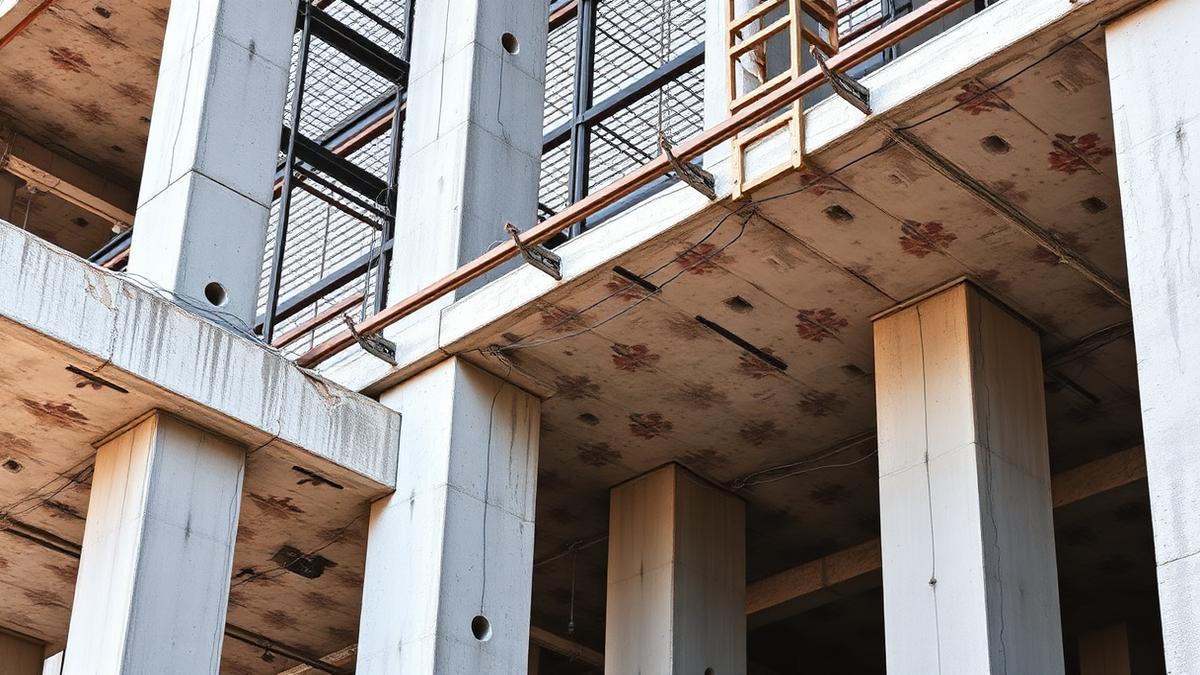
A common mistake is trying to speed up execution at the expense of quality, which later leads to maintenance or repair work that consumes more time than what was originally saved. Adhering to structural safety standards and concrete works standards from the beginning reduces the need for later repairs that affect the overall project timeline.
When Do You Need to Reschedule the Project?
Sometimes circumstances arise that require reconsidering the timeline, such as major design changes or scope expansion. In this case, it is better to agree with the contractor on a revised schedule documented in writing rather than continuing with an outdated, unrealistic schedule, as this maintains transparency between all parties and saves you from later disputes about deadlines.
Frequently Asked Questions About Managing Construction Project Timelines
How long does it typically take to build a residential villa?
The duration varies depending on the area, number of floors, and required finishing level, and no fixed number can be given without reviewing the drawings and the land location, so we always recommend requesting a detailed timeline from the contractor before signing.
Can execution time be sped up by adding more labor?
In some phases, yes, but there are phases such as concrete curing that cannot be sped up by adding labor since they depend on natural factors, so it is important to understand which phases can actually be accelerated and which are time-fixed.
What should I do if the contractor falls behind the agreed schedule?
It is best to first discuss the reasons for the delay directly and review the contract clauses related to the timeline, and if the delay continues without a clear justification, the pre-agreed contractual remedies can be pursued.
Does good timeline planning reduce overall cost?
Often yes, because delays result in additional costs such as alternative rent or rising material prices over time, but this remains a general estimate that requires evaluation for each individual case.
To learn more about our previous work managing projects with a clear timeline commitment, visit our completed projects page and get to know our team through our about us page.
Planning your project in Fayoum or October?
The Dar El Halawany team helps you build a realistic timeline and provides close follow-up on every phase of your project.
Conclusion
Timeline management is not an extra luxury but a necessity for any successful construction or finishing project, whether small or large. Realistic planning, a clear contract, and continuous follow-up with a professional team are all factors that reduce the chances of delay and protect your budget and time. If you are planning your next project in Fayoum, Giza, or Greater Cairo, contact the Dar El Halawany team for a consultation and an initial site visit for a realistic timeline that suits your needs.
Planning a build or finishing project?
Dar El Halawany delivers construction and finishing works across Fayoum, New Fayoum, 6th of October and Hadayek El Ahram — contact us for a site visit and initial estimate.